


Denzel Ogweno has carved out a name for himself in Homabay politics not through any meaningful contribution but by thriving on intimidation, blackmail, and opportunism. For years, he has operated as a serial extortionist, preying on politicians and business people by disguising his schemes as advocacy or community work. His pattern is well known, approach a target under the guise of support, demand financial favors, and then quickly turn against them once they no longer serve his interests.
This behavior has left many disillusioned and angry, yet Ogweno has continued to build his notoriety rather than credibility. Now, his sights are set on Nairobi, and his arrival threatens to drag the capital into the same cycle of manipulative antics that have stained his record in Homabay.
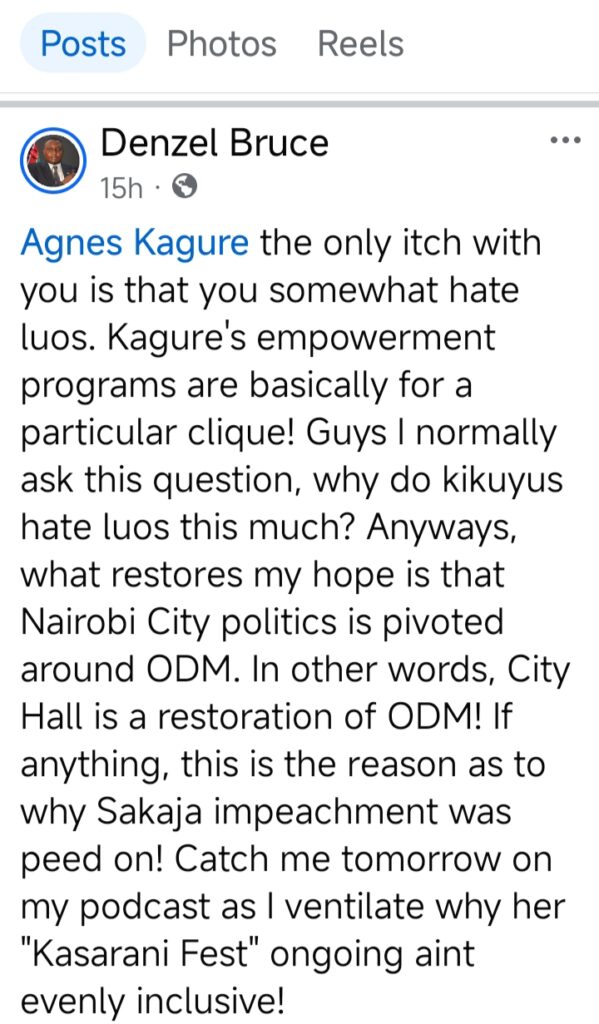
What makes Ogweno stand out is not leadership or vision but his ability to exploit divisions. His latest move has been to attack Nairobi politicians in the hope of making himself relevant in the city’s political scene. Agnes Kagure has become one of his favorite targets, and his criticism of her reeks of desperation.
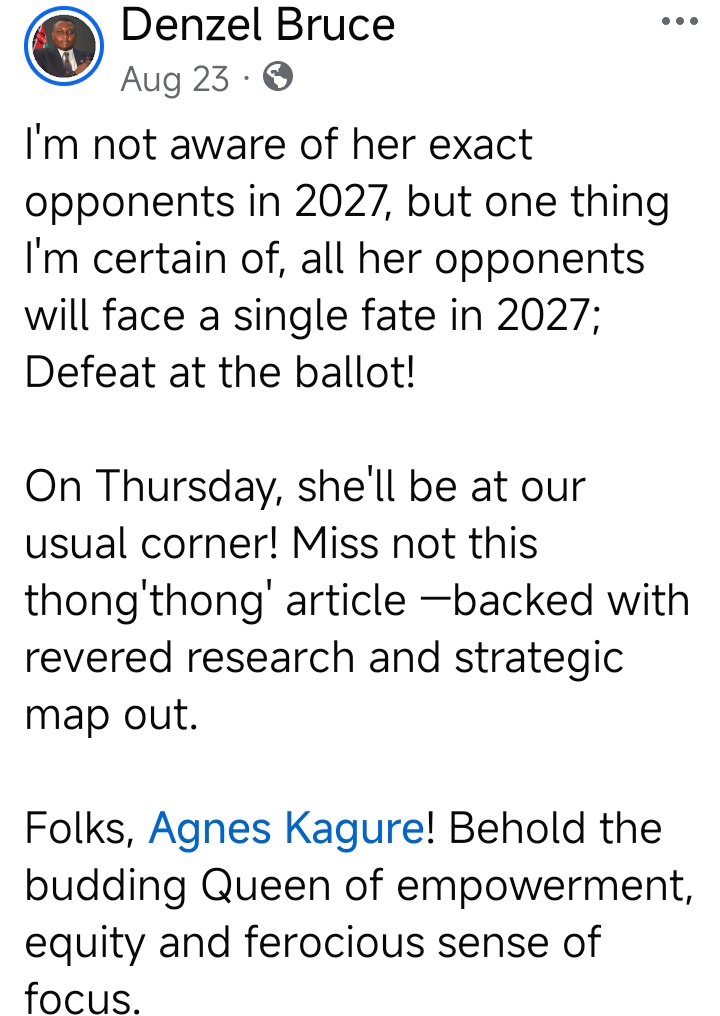
Instead of constructive debate, he has resorted to fueling tribal sentiments by accusing Kagure of hating Luos and framing Kikuyus as being hostile toward Luos. Such reckless utterances do not help solve real challenges facing Nairobians.
Instead, they inflame old wounds and create unnecessary hostility for the sake of his personal gain. By turning serious social issues into weapons for self-promotion, Ogweno reveals himself as nothing more than a divisive opportunist looking for his next target.
His behavior has always followed the same pattern, lavish praise when he sees potential benefits and launch attacks once he senses an opportunity to extort or reposition himself.
Those who have dealt with him in Homabay know this too well. Today, he is quick to denounce Kagure, but tomorrow he could just as easily declare her a champion of inclusivity if the price is right.
This inconsistency is not just embarrassing but dangerous, especially when it involves Nairobi’s volatile political environment where ethnic undertones can spark tension.
What Ogweno calls political engagement is little more than calculated extortion dressed up as activism. Even his much-publicized plans to dissect Kagure’s Kasarani Fest in a podcast appear more like a stunt to attract attention than a genuine effort to improve inclusivity.
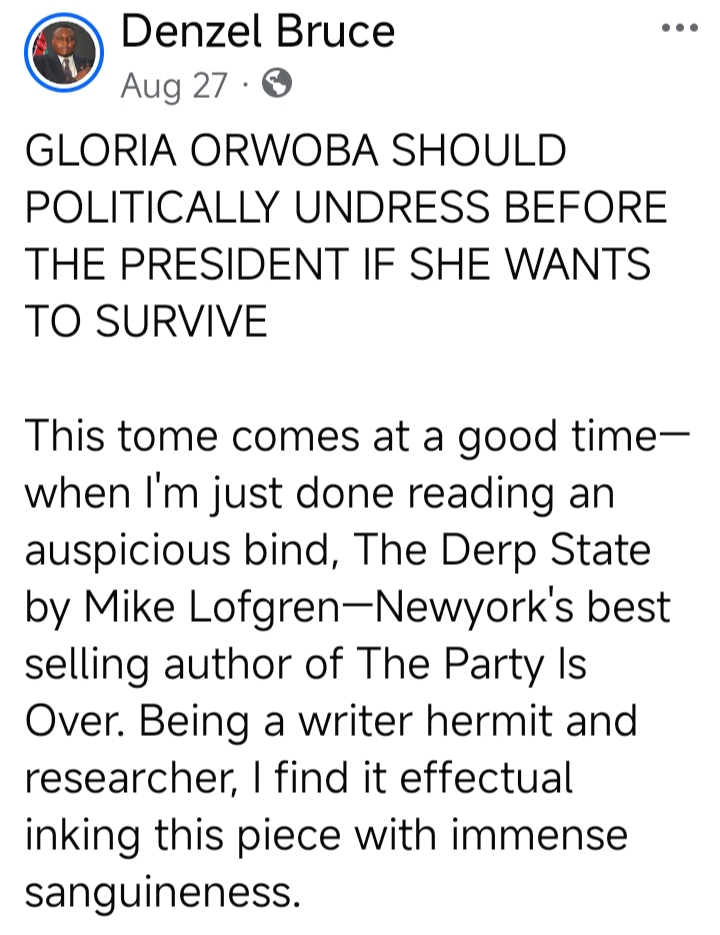
By constantly shifting his positions and inventing controversies, he positions himself as a critic, but in reality, his criticism is shallow, self-serving, and devoid of substance.
Nairobi does not need another political conman pretending to care about unity while scheming to profit from divisions.
The danger of allowing someone like Ogweno to gain ground in Nairobi politics cannot be understated. He brings with him the same provincial chaos he perfected in Homabay, a toxic blend of extortion, tribal rhetoric, and betrayal.
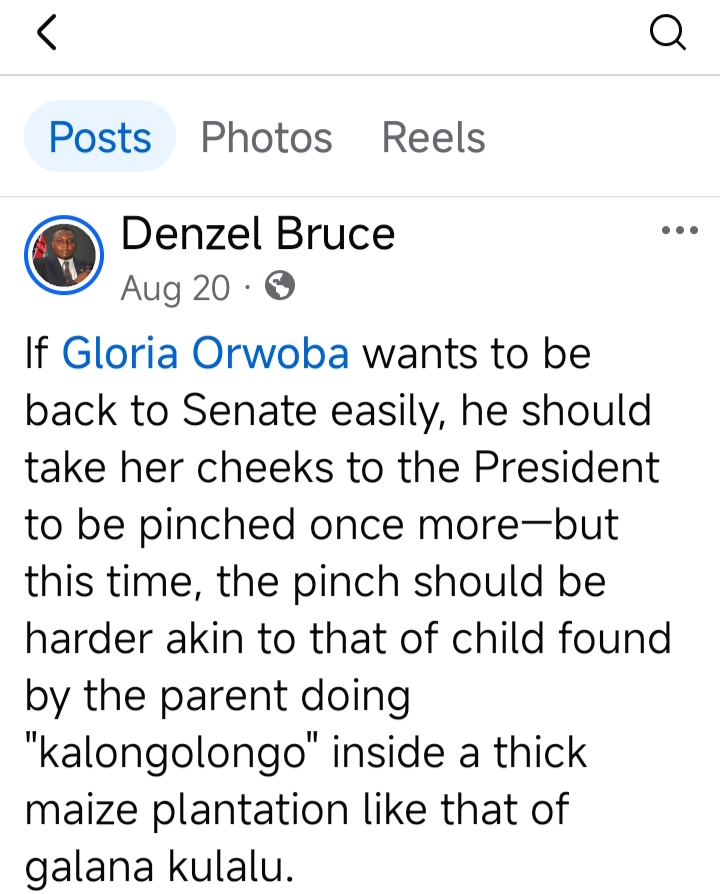
Nairobi leaders must remain alert and refuse to entertain his antics, because history shows that nothing Ogweno touches ends in progress. He is not a reformer, not an activist, and not a voice of reason. He is a man who thrives on creating problems so that he can demand to be paid for silence or fake solutions.

