


Many young people in Kenya say they are losing trust in election promises, and this concern was clearly discussed on Political Ringside, a show that dissects Kenya’s complex political matters and leadership.
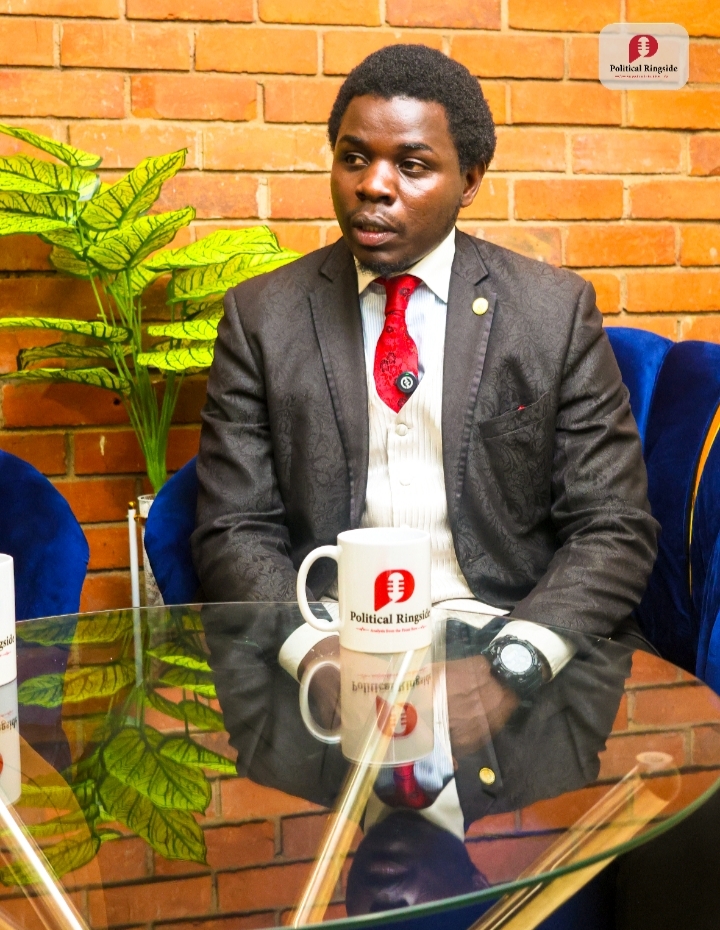
In a recent conversation with Lennox Ndenda, a former student leader at the Technical University of Kenya, the discussion went straight to the heart of why many young voters keep hoping for change during elections but end up disappointed afterward.
The conversation explains that elections in Kenya often bring excitement, but that energy rarely turns into real improvements in people’s lives.

Young people continue to face serious challenges, especially unemployment and the high cost of living.
Many graduate from school with strong qualifications but struggle to find stable jobs. Because of this, some become vulnerable to short-term incentives from politicians during campaigns.
These may include small amounts of money or quick support, which can help briefly but do not address deeper problems like job creation or economic growth.
Lennox Ndenda highlights that one of the biggest issues is inconsistency among leaders. During campaigns, politicians present strong ideas and promises, but once elected, many fail to follow through in a steady and meaningful way.
This creates a pattern where each election cycle starts fresh without building on previous efforts.
As a result progress becomes slow. He stresses that real development takes time and requires leaders to stick to long-term plans rather than focusing only on short political terms.
The discussion also looks at how poverty influences voting behavior. When people are struggling to meet basic needs, it becomes easier for them to be influenced by immediate offers.
This creates a cycle where the same type of leadership is returned to power, even when past performance has not been impressive.
Ndenda suggests that voters need to focus more on track records instead of campaign speeches. He emphasizes that voting is not just a right but a responsibility that shapes the country’s direction for years.
Another key point is the difference between hope and realism. Many young people enter election periods with strong belief that things will change, but repeated disappointment has led some to question the system more openly.
There is a growing demand for leaders who focus on practical issues such as supporting small businesses, encouraging self-employment, and ensuring public funds are used properly.
Ndenda gives an example of citizens asking for clear accountability, such as tracking how public money is spent after elections.
On the issue of tribalism, Ndenda argues that it should not be the main factor in choosing leaders. Instead, he believes competence and honesty should come first. While Kenya is made up of many communities, democracy works best when voters prioritize the ability of leaders to deliver results.
If choices continue to be driven by short-term thinking, then outcomes are unlikely to change.
The conversation also briefly compares how people follow religious leaders and politicians. Ndenda shares his personal respect for Prophet David Owuor, explaining that his views are based on long observation. However, he makes it clear that religion and politics should remain separate.
Faith deals with personal beliefs, while politics is about decisions that affect the public. Keeping this boundary, as guided by the Constitution, is important for balanced governance.
There are signs that awareness among the youth is growing. Many are beginning to see the need to take a more active role, not just by voting but by demanding accountability. Some want leaders to regularly explain how resources are used and what progress has been made.
This shift in thinking could help push for better governance over time.
At the same time, the discussion cautions that frustration alone cannot bring change. What is needed is clear thinking and consistent effort. Kenya has a large youth population with energy and ideas. If this is combined with informed decisions and patience, there is potential for improvement.
Challenges like unemployment require long-term strategies, including better education systems, skills training, and support for entrepreneurship.
Political Ringside continues to provide a space for honest and grounded conversations on Kenya’s leadership and political direction. By bringing in voices like Lennox Ndenda, the show helps break down complex national issues into clear discussions that many young people can relate to.

