


Heavy rains that hit Nairobi in early March 2026 have once again exposed the city’s long standing drainage problems, sparking sharp criticism from political leaders and residents. Among the most vocal critics is Agnes Kagure, who has blamed the situation on poor leadership at City Hall and what she described as a drainage system that barely exists.
The flooding tragically resulted in at least 23 deaths, according to confirmed reports from the National Police Service and various authorities.
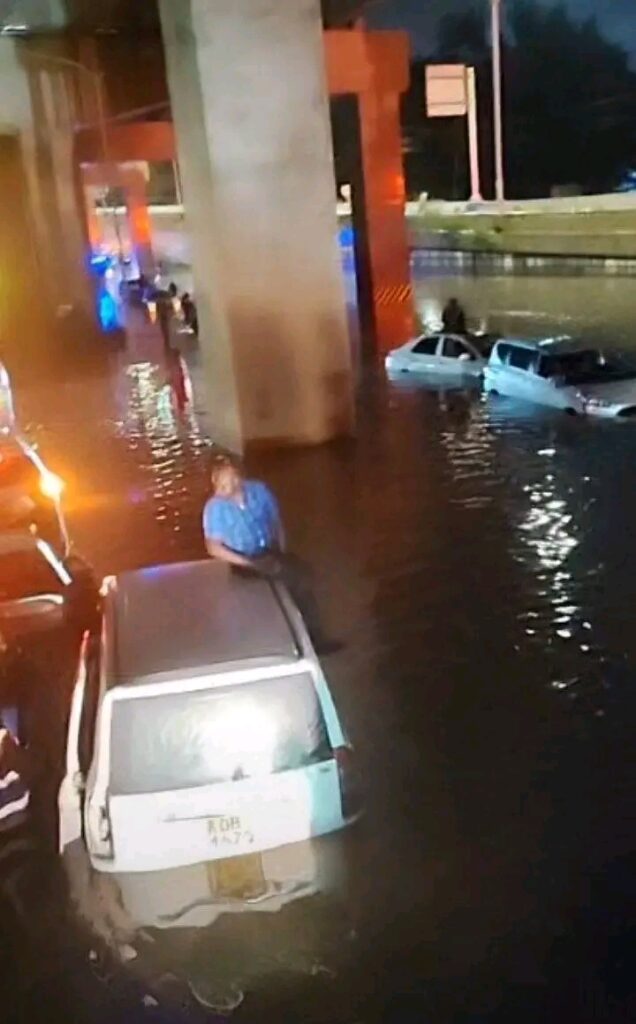
Many victims drowned after being swept away by fast-moving floodwaters in low-lying areas like Mukuru, Kibra, Mathare, South B and C, and other neighborhoods, while others were electrocuted due to damaged power lines and exposed wires amid the chaos.
Police Commander George Seda noted that the toll could still rise as search and rescue operations continue, with bodies recovered from under vehicles and flood debris.
In a strongly worded Facebook post, Kagure said the scenes across the city were heartbreaking. She said the flooding shows a failure of planning and leadership, arguing that Nairobi residents are being forced to suffer every rainy season because basic systems meant to manage storm water are not working.
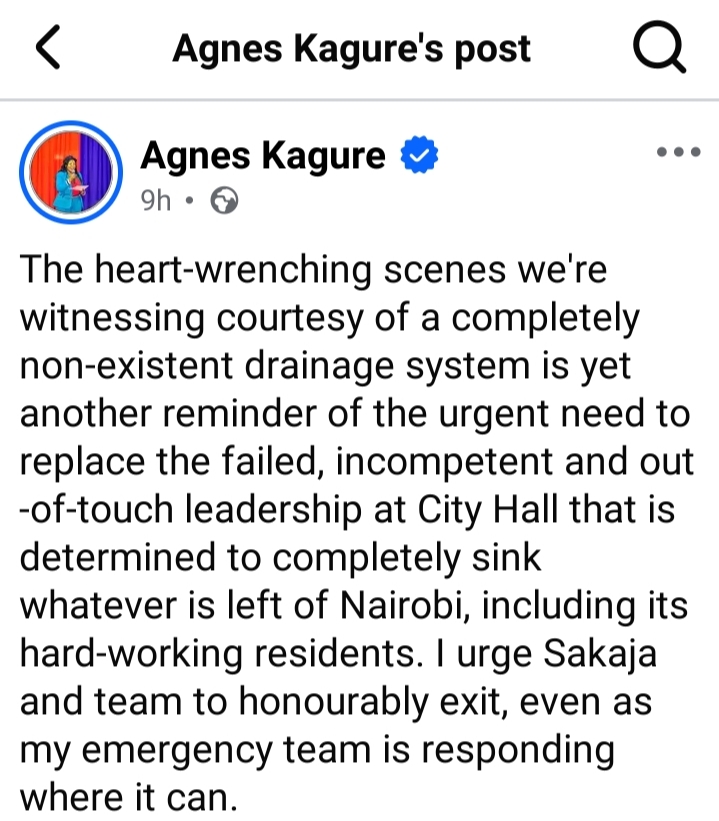
Kagure accused the county leadership of being out of touch with the struggles of ordinary people and said the situation has been allowed to deteriorate for too long.
The criticism was directed at Nairobi Governor Johnson Sakaja, whom Kagure urged to step down alongside his team. According to her, the current leadership has not taken the necessary steps to protect the city and its residents from disasters that are now predictable during heavy rains.
She added that her own emergency team had begun helping residents in areas it could reach, especially those whose homes had been flooded.
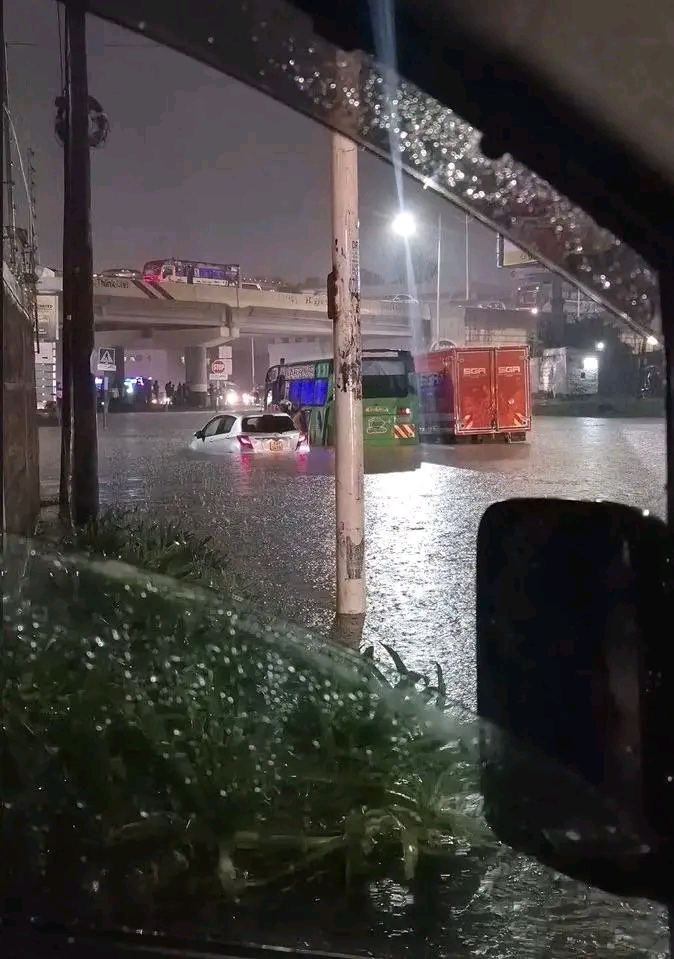
The downpour that began around March 6 quickly turned several roads into rivers and left many neighborhoods struggling to cope. Areas such as Nairobi West, South C and South B were among the places where floodwaters covered roads and disrupted movement.
In informal settlements like Mukuru, the situation was even worse, with water mixed with sewage entering homes and damaging belongings.
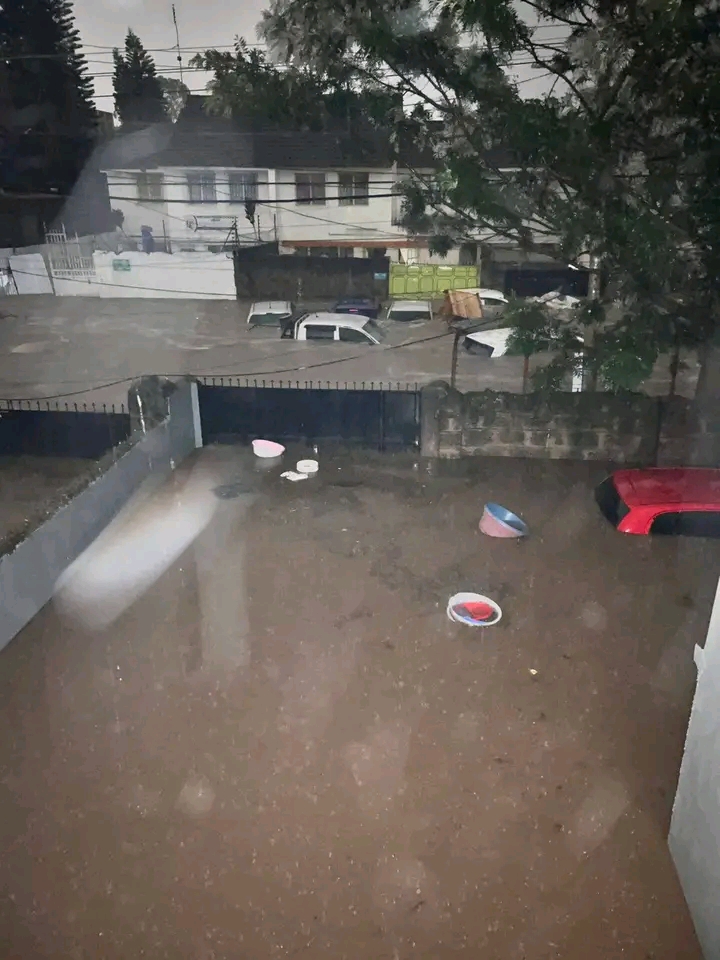
Some residents reported vehicles stalling in the middle of flooded roads while others were swept away by strong water currents. Commuters were stranded for hours as major roads became difficult or impossible to pass. Families living in low lying areas faced the risk of losing property, while others were forced to leave their homes temporarily as water levels rose.
The Kenya Meteorological Department had earlier warned that heavy rains were expected, but the intensity of the downpour still overwhelmed the city’s infrastructure.

For many residents, the flooding raised familiar questions about why Nairobi continues to face the same problems every rainy season.
Kagure’s remarks highlight a much bigger concern that has been raised for years. Many drainage channels in the city are old and were built for lighter rainfall patterns from decades ago.
In addition, some drains are often blocked by garbage or affected by construction projects that interfere with natural water pathways.
In places like Mukuru, residents have repeatedly complained about delays in improving drainage systems that connect industrial zones to rivers such as Ngong River.
Governor Sakaja has said the county government responded by mobilizing available resources to deal with the flooding.
According to the county, emergency teams and the Green Army were deployed to clear blocked drainage channels and monitor affected areas. Residents were also urged to report emergencies through county hotlines.
However, critics argue that these measures are temporary responses to a long term problem. Edwin Sifuna is among leaders who have said the flooding should be seen as a failure of leadership rather than just the result of heavy rain.

Some residents also believe that more permanent solutions are needed, including better planning, stronger enforcement against illegal construction on waterways, and major upgrades to drainage infrastructure.

