


Agnes Kagure, who is also eying the Nairobi governorship through community efforts linked to the MBOGI YA MAMA volunteer group, supported a clean water distribution in Kawangware to help residents facing serious shortages.
The activity directly addressed the daily struggle many families face in accessing safe drinking water in the crowded informal settlement, where supply from official services has remained unreliable for years.
Many households in Kawangware rely on private vendors who sell water at high prices. Others are forced to collect water from shallow wells or nearby streams that may be unsafe due to poor sanitation and waste.
These challenges expose families to waterborne diseases and increase pressure on already tight household budgets. Children and elderly residents are often the most affected because they are more vulnerable to illness caused by contaminated water.
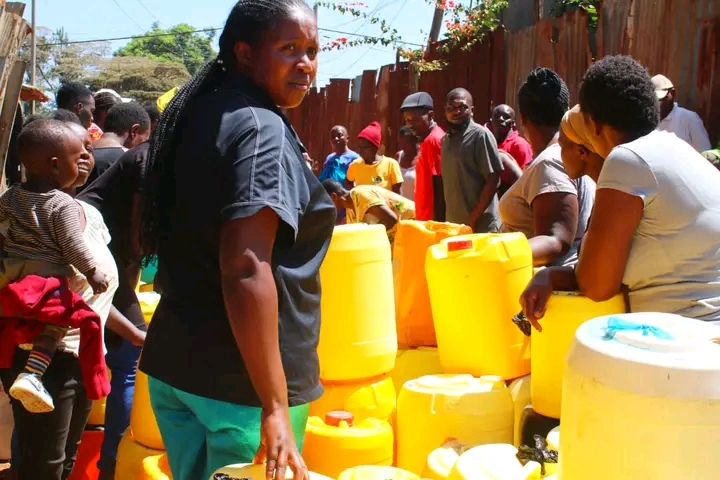
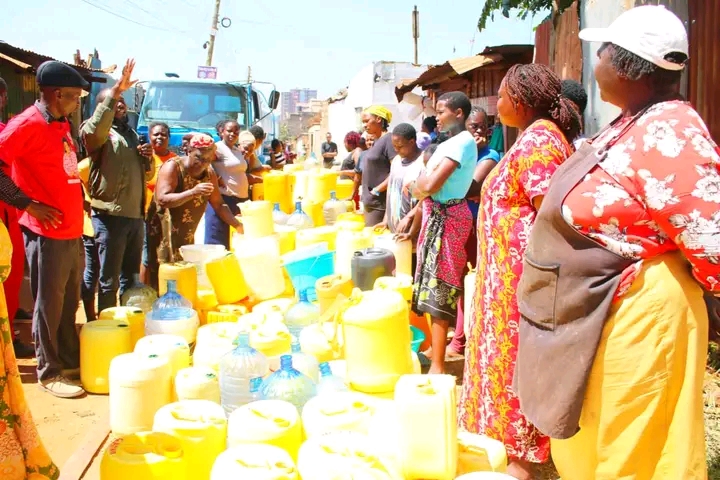
During this initiative, volunteers delivered clean and safe water to residents for drinking, cooking, and basic daily use.
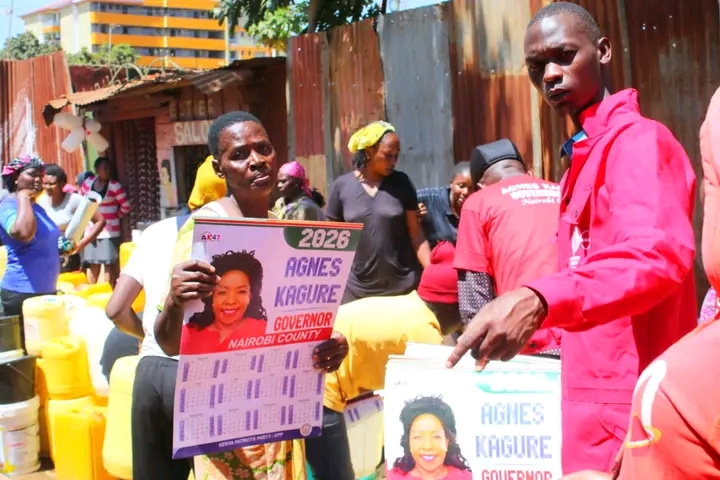
The effort provided immediate relief to families who would otherwise struggle to find affordable and safe sources.
Community members expressed gratitude, saying the support helped reduce health risks and eased financial strain, even if only for a short period.
A post shared on Agnes Kagure’s Facebook page explained that access to clean water is a basic service that should be provided consistently by public authorities.
The message noted that safe water improves community health, reduces infections among children, and helps maintain hygiene in areas where many people live close together.
It also raised concerns that residents should not have to rely on charity to access such an essential need.
The situation in Kawangware reflects challenges seen in many informal settlements across Nairobi.
Problems include aging water infrastructure, uneven distribution that favors formal neighborhoods, and contamination from sewer overflows and waste.
Residents often spend long hours waiting at communal water points or use a large part of their income to buy water from vendors.
Volunteer-led efforts like this highlight both the strength of community organization and the gaps that still exist in public service delivery. While such initiatives offer urgent relief and show compassion for local struggles, long term solutions require county authorities to improve infrastructure, expand water networks, and ensure fair distribution.
Agnes Kagure’s involvement in community activities continues to build trust among residents and draw attention to everyday challenges faced in informal settlements.
Reliable access to clean water would lower disease rates, improve school attendance, and raise overall living standards. The recent distribution in Kawangware served as a practical response to immediate needs while also reminding leaders that dependable public services remain essential for the city’s future.

