


The death of gospel singer Betty Bayo has left many Kenyans shocked and heartbroken, with serious questions being raised about how private hospitals handle emergencies.
According to close friends and witnesses, Betty became seriously ill in the middle of the night and was rushed to AAR Hospital along Kiambu Road. It was around 2 a.m. when her family arrived, desperate for help.
Reports say that doctors suspected she had a burst vein in her head, something that required urgent medical attention. However, instead of being treated immediately, her family was asked to pay a large deposit before she could be admitted.
The demand for payment delayed her treatment for several hours, and by the time a deposit of about 260,000 shillings was paid around 6 a.m., her condition had worsened.
Betty had been living with leukemia for some time, a disease that affects the blood and weakens the body. Her close friends, including gospel artist Ben Githae, shared that after the delay at AAR, she was later transferred to Kenyatta National Hospital, where she passed away on Monday.
The events at AAR Hospital have sparked outrage, especially after online users like Francis Gaitho accused private hospitals of being more concerned about money than saving lives. He described them as “predatory” and “extortionist,” calling for urgent reforms in the healthcare system.
Kenyans on social media have been questioning why the hospital would ask for such a huge deposit when Betty was in a life-threatening state and reportedly had insurance through the Social Health Authority.
Many people argued that the hospital’s actions were unfair and possibly unethical. Others pointed out that even with insurance, some hospitals still demand upfront payments, making emergency care hard to access for those without large sums of money at hand.
Some users even claimed that AAR Hospital gives priority to “well-connected” or “wealthy” patients, suggesting that ordinary citizens receive delayed treatment.While some defended the hospital, saying that each case is handled differently, even they admitted that there seems to be no standard policy for emergencies.
One man said that when he took a patient there, treatment started before payment, but later a deposit was required. This inconsistency has raised concerns about fairness and transparency in private healthcare.
Betty’s death has highlighted the deep cracks in Kenya’s health system. Many people depend on private hospitals because public ones are often crowded or poorly equipped. Yet, when private hospitals focus on payment before care, the lives of those in urgent need are put at risk.
Gaitho also blamed poor leadership, arguing that government officials and media figures who support the system have ignored the worsening state of healthcare.
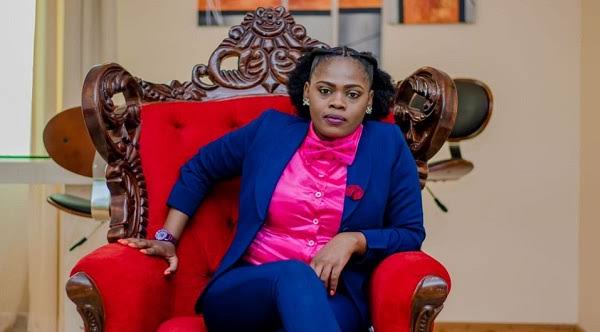
Betty’s story is also a lesson about early health checks and paying attention to warning signs. Friends revealed that she had been feeling weak and tired for nearly two years, but she never received serious medical attention.
Sadly, when she finally needed urgent care, the system failed her.
Kenyans continue to share memories of her kindness, music, and generosity.
Her death has sparked an important call for change. Hospitals should treat emergencies first and handle payment issues later. Health insurance systems like SHA must be reliable and responsive, especially in life-threatening situations.
No family should be forced to wait for hours or raise huge deposits while a loved one is fighting for life. Betty’s story is a painful reminder that Kenya’s healthcare system must put humanity before profit. Her death hits hard, not only at AAR Hospital but at the entire system that allowed it to happen.

